Loading Machine Mind
Machine Mind

Guided industrial diagnostics

What your best engineers know, on every engineer’s screen.

When a machine breaks down, Machine Mind helps the engineer in front of it work out why. It brings what’s known about that machine, a guided investigation and your colleagues into one place, and an engineer has the final say on the cause. There are no sensors to fit and nothing to connect to the machine to get started.

You can try the demo on this page without signing up.

Are you an engineer? Register your interest

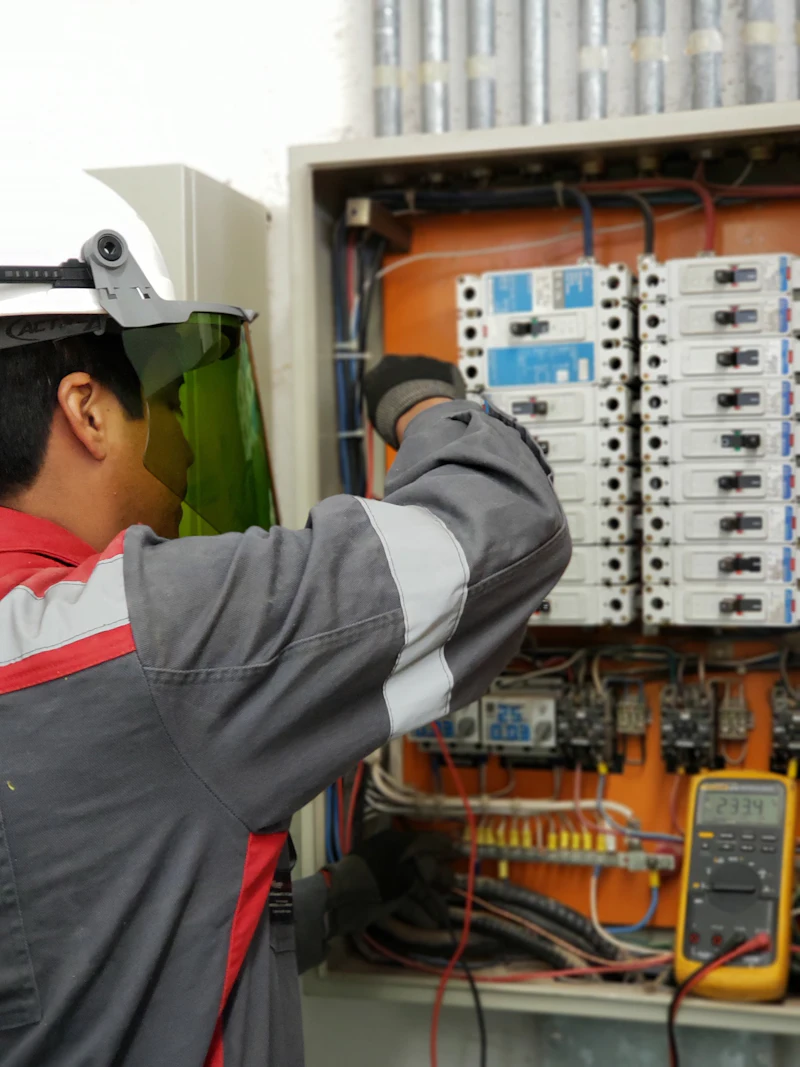
An engineer in a hard hat and face shield works at an open electrical panel, with a multimeter beside them.

Try the demo

Example machine, scripted case

Say you’re the engineer and this machine has just stopped. Tap any answer and watch Machine Mind narrow down the cause.

An industrial press in a dark workshop, lit by a single lamp.

Machines have a habit of stopping when your best engineer has gone home

At 2 a.m. the person who knows that machine is at home asleep. The answer is probably in a manual somewhere, but nobody has time to look for it, so someone presses reset and hopes it holds.

Machine Mind tells the engineer what to check next, why it matters and which page of the manual it came from. If the checks run out before the fault is found, a senior engineer gets the case with everything that’s been tried so far.

Capture evidence before reset

Record what the machine is showing now. Once a trip is reset, this evidence is gone.

Alarms / trip codes
417, servo amplifier
Status indications
Amplifier LED red, arm stopped halfway
Time of fault
02:14

From the app, with example entries.

Our vision

Get machines running sooner, and keep what your engineers know

Factories, ships and plants depend on their machines, and on the handful of experienced people who can fix them. When those people are off shift, or retire, or leave, what they know goes with them.

We’re building a system that holds on to that knowledge, running on our own hypothesis and thinking engine. It works through a fault with the person at the machine. Once a case is solved and your senior engineer has approved it, what was learned stays inside your organisation for the next person who meets that fault.

  • Less time hunting for answers

    Engineers spend less time going through manuals and phoning round, and more time on the actual fault.

  • Nights get the same help as days

    Whoever is on site gets taken through the fault the same careful way, one check at a time.

  • Experience stays with the plant

    Fixes that work are kept as verified procedures, so they’re still there after people leave.

Our engine

Our own hypothesis and thinking engine

Machine Mind runs on a diagnostic method designed by our founder from years of practical work on industrial machines. It has one job, which is finding out why a machine has stopped.

We keep how it works to ourselves. The demo above gives you a feel for it, and we’re happy to show you more in person.

  • Made for breakdowns

    Designed for the moment a line stops and every minute counts.

  • Thinks like an engineer

    It works a fault through the way your best engineer would.

  • Fits your site

    Every site is different, and Machine Mind is set up around yours.

  • Gets better with use

    What your team solves is kept, so the next fault is quicker.

Getting started

Set up around how your site really runs

Every site is different, so before Machine Mind goes to work we spend time with your team getting to know your machines. Get in touch and we’ll walk you through it.

  • No sensors needed

    You don’t need to fit anything or connect to the machine’s controls to start.

  • Only what you authorise

    We work from the documents and information your team chooses to share.

  • Shaped with your team

    Your engineers and managers help set it up, so it fits how your site really runs.

How a case runs, from the first alarm to the approved repair

Each fault becomes a case with its own record and a current stage. The case carries over from one shift to the next, and the system won’t close it by itself.

  1. Find the machine by name, barcode or NFC tag, then describe the fault by typing or talking. You can attach a photo, video or log file too. Machine Mind reads what it can and asks you to check it got things right. Your original report is kept.

  2. Machine Mind takes the engineer through the fault one check at a time, using the machine’s manuals and electrical drawings, and explains why each check matters.

  3. Once the evidence points one way, Machine Mind says so and stops there. An engineer confirms the root cause. Any causes that were skipped have to be acknowledged, and they go on the record.

  4. The engineer notes what was changed. If the manuals don’t cover the fix, Machine Mind says so and sends you to a senior engineer. It won’t make one up.

  5. Next you check that the original fault has really gone. If there’s no approved procedure for the repair, a senior engineer has to sign it off before the case can be resolved.

  6. The engineer can submit the solved case as a reusable path. Once a senior has certified it, anyone who meets the same fault later gets that verified procedure.

Case ReportExample

Alarm 417: transfer arm stops halfway

Waiting for senior approvalFeeder 2
Root Cause
Machine version mismatch on the transfer arm drive
Corrective Action
Loaded the documented machine version and restarted the control
Verified By
With a senior engineer

Symptom

Arm stops halfway with an error from the servo amplifier.

Alarm code 417, fault time 02:14
Media evidence: photo of the alarm screen

Checks

With the drive isolated and locked off, does transfer arm 1 move freely by hand over its full travel?Yes, it moves freely

Does the machine version set in the control match the documented version for this variant?No, they do not match

Timeline

  1. Report confirmed
  2. Root cause confirmed
  3. Repair note: the fault has cleared
  4. Asked a senior engineer to verify the repair
  5. Submitted as a reusable path
Print / save PDF

How far can you trust each answer?

General AI tools tend to sound just as sure when they’re guessing as when they know. Around live machinery that’s a safety risk, and it can get expensive.

Machine Mind grades each answer by where it came from and shows the grade on screen, so the engineer can tell when to go ahead and when to check again.

Verified

From a procedure signed off by a senior.

The path has been checked and doesn’t change, so the same fault always gets the same steps.

High

Grounded in a cited manual reference.

The manual opens at the cited page, so the engineer can read it for themselves.

Medium

Grounded in the machine documentation, without a specific citation.

A useful steer, but there’s no exact page to point to.

Low

AI reasoning with no manual reference found.

Shown on screen as a starting point that needs checking.

When it has nothing to go on, it says so. These are real messages from the product.

No verified procedure matches that yet. We won’t guess a fix, but we can reason through it with you.
When a fault has no procedure
The manuals for this machine do not describe how to correct this cause. Ask a senior engineer before repairing.
When the fix isn’t documented
The evidence makes this branch eligible for review. Machine Mind will not close the case automatically.
When one cause pulls ahead

The app has five tabs

Machine Mind is a diagnostic operating system for industrial machinery, which makes it a different thing from a chatbot, a manual search tool or a CMMS. It installs on a phone, so you can take it to the machine.

Start with what’s in front of you

Choose the machine, say what’s happening in your own words and attach whatever you have. Machine Mind turns that into a report for you to confirm, then starts the investigation.

  • Find machines by name, barcode or NFC tag
  • Attach photos, video, voice notes, PDFs and log files
  • Guided mode explains each step in detail, and Expert mode keeps it short and technical
  • Open cases stay on the home screen, with reminders until they’re closed

Multi Mind

Let the AI models argue it out

Any one AI can sound certain and still be wrong, so Multi Mind doesn’t rely on just one. Think of it as a brainstorming session for your hardest questions. Several different AI models take on the same problem, pick holes in each other’s reasoning and try to reach a resolution.

  • Ask anything about a machine

    Type or say your question, and add a photo, video or PDF if you have one. It might be a fault nobody can crack, a repair you’re not sure about or a case that’s gone nowhere.

  • With a machine, or without one

    Pick a machine or an open case for the models to work from, or skip that and just ask.

  • Agreement and disagreement

    You see where the models agree and where they clash, what evidence is missing and any safety concerns. Then you get a verdict and a next action.

Example sessionContext: Feeder 2

Alarm 417 keeps coming back after a reset, and the arm moves freely by hand. What are we missing?

  1. First thoughts

    Model A

    It began after the control restore, so I’d check the parameter set first.

    Model B

    An alarm that returns after a reset can mean a damaged motor cable. I’d test that first.

    Model C

    Neither of you has asked what the amplifier’s fault flag says.

  2. The argument

    Model B

    A cable fault shows up on the motor side, whatever the parameters say.

    Model A

    Then why did it start the day the control was restored? A cable doesn’t care about that.

    Model C

    The timing’s a clue, but it doesn’t prove anything. Read the fault flag before anyone opens the connector.

    Model B

    Fair. If the flag isn’t a motor fault, I’ll drop the cable.

  3. Where they end up

    Verified across top tier models
    Agreements
    A parameter mismatch fits the alarm and the recent control restore.
    Disagreements
    One model would test the motor cable before the parameters.
    Missing Evidence
    Nobody has read the amplifier’s fault flag yet.
    Safety Concerns
    Keep the drive locked off during the hand check.
    Verdict
    Parameter mismatch is the leading cause.
    Next action
    Read the fault flag, then compare the machine version with the documentation.

This is a scripted example to show the idea. In the app, the answer comes back under these six headings, along with the models and sources behind it.

Join the waitlist

Escalate to Engineer

Bring in a colleague without leaving the case

When a fault needs another pair of eyes, the engineer can bring in someone from your own team, on another shift or in another role. Everything they need is already in the case, so nothing gets lost in phone calls and group chats.

Your company decides who can be called on and when. More ways for a team to work a fault together are on the way.

Solved cases become answers for the next engineer

Once a fault is solved, the engineer can submit the case as a reusable path. A senior looks it over in Drafts and certifies it, which only takes a few minutes, and it goes live as a verified procedure.

That way the knowledge base grows out of real jobs, without anyone having to sit down and write procedures by hand, and the reasoning stays inside your organisation after people move on.

Drafts

Procedures drafted from solved cases, waiting for senior review. Try it.

Alarm 417: transfer arm stops halfway
Feeder 2, drafted by SamStructurally valid

Knowledge base

Verified procedures the system can run.

  • Clamp pressure drops during the cyclerun 9 times, 8 resolvedVerified
  • Emergency stop with no button pressedrun 4 times, 4 resolvedLearned

Example entries.

Some steps are only for authorised people

  • Any step that defeats a safety function can only be done by a senior. They have to confirm it explicitly, and it’s recorded in the job report.
  • It’s made for competent engineers. The detail you see depends on how well you know the machine, and anyone can open the full explanation. Permissions and safety gates stay the same.
  • An engineer who feels unsafe or unsure can open a live handoff to a senior before starting, with the safety context attached.
What Machine Mind can’t do It cannot verify that equipment is isolated or safe to touch, and it doesn’t replace your site’s safe systems of work, isolation procedures or authorisation rules. Engineers should only carry out checks they are trained and authorised to perform.

Senior authorisation required

Senior only

Bridge the door interlock to jog the arm

Who does what in Machine Mind

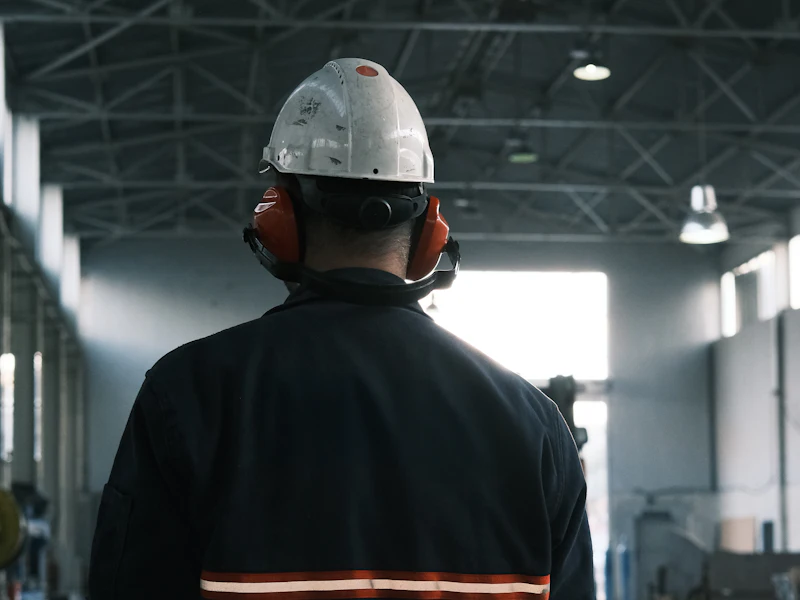
An engineer in a hard hat and ear defenders, seen from behind, walking through a factory hall.

Engineer

Reports the fault, runs the checks and records the repair, with guided detail for as long as it’s useful.

Can hand off to a live senior at any step, with the investigation attached.

An engineer in a hard hat holding up a printed drawing to check it.

Senior engineer

Picks up escalations with every step already visible, so nobody has to start by asking what’s been tried.

Signs off repairs, certifies new paths and authorises restricted steps.

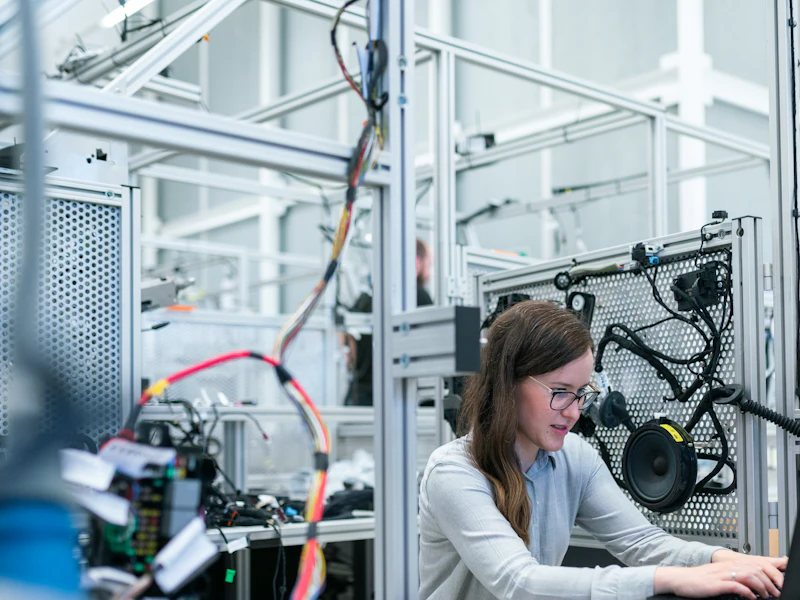
An engineer working on a laptop beside a test rig full of wiring.

Admin

Keeps the plant model current: lines, machines, parts, and the manuals assigned to them.

Invites people and sets their roles. Accounts are by invitation.

Where we are today

We have working software, and we’ve tested it ourselves on real types of fault, such as inverter trips and material building up inside a machine. Reports export as PDFs, and engineers have given feedback as we’ve built it. Pilots with customer sites come next, so it can be tested independently. You can try the demo on this page now.

Who it’s for

Manufacturing plants, marine and vessel operations, process facilities and heavy electromechanical fleets.

The founders

Who’s building Machine Mind

Himanshu Banjara

Founder, engineering and diagnostics

Designs the diagnostic method from practical experience of electrical, mechanical, pneumatic and control system faults. He writes the engineering notes, tests the software against real faults and decides what needs to change.

Pragya Kabra

Cofounder, product and growth

Designed how Machine Mind looks and works for an engineer in the middle of a breakdown, and helps choose the AI behind it. She also leads customer conversations, marketing and business development.

We work with specialist developers under contract. We decide what they build and test everything before it’s used.

For engineers

Good with machines? This could be for you

Later on, we may also connect companies with qualified engineering specialists from outside their own team, for the times they need extra help.

It’s an idea for the future. If you’re an experienced engineer and it sounds interesting, register your interest and we’ll keep you posted.

Register your interest

Nothing is in place yet. This isn’t a job offer, and there’s no matching or payment service today.

Join the waitlist

Anyone can try the demo. Running it on real machines comes next, so join the list and we’ll let you know when places open.

What it will take to start on a machine

  • Its manuals and drawings, as PDFs with selectable text
  • A senior engineer to approve them and sign off repairs
  • A list of the lines, machines and parts you want covered

We’ll only use this to tell you about Machine Mind. Reply to any of our emails to come off the list.

Want to know more?

Tell us what you’d like to know and we’ll get back to you by email. Questions about the demo, the engine or working together are all welcome.

Or email us at hello@machinemind.uk

We’ll only use this to reply to you.